Mr. Frankie Wilson
Current work

Design the conditions. Respect the person.

When participation is low or a new practice isn’t taking hold, another reminder may leave the underlying barrier untouched. My research asks what people need to understand, choose, and act. Explore three developing tools for clearer decisions, accessible communication, and practical intervention design.

01 / READINESS & INTERVENTION

BRIA

Behavior Readiness & Intervention Architecture is a proposed behavioral readiness and intervention decision architecture. It is designed to help teams examine a target behavior, the context and barriers surrounding it, and the conditions that may support meaningful action.

Drawing on the 6 Lens Model, BRIA aims to guide intervention choices while making room for uncertainty, human agency, and ongoing evaluation.

Development status: Proposed architecture in development. Empirical testing and validation are still ahead; BRIA is not yet a validated assessment or proven intervention system.
02 / INTEGRATED PRACTICE

6 Lens Model

The 6 Lens Model is an integrative behavioral decision framework that evaluates a problem through six evidence-based domains - Applied Behavior Analysis, Social-Emotional Learning, Negotiation, Cognitive Behavioral Therapy, Behavioral Economics, and Behavioral Neuroscience - and synthesizes their convergent insights into a single actionable intervention or coordinated intervention strategy.

Explore the 6 Lens Model
03 / DISABILITY INCLUSION

Accessibility Communications Index (ACI)

ACI is an emerging approach to assessing how well workplace and organizational communication supports people with disabilities. It looks beyond minimum compliance toward usable information, meaningful choice, and participation.

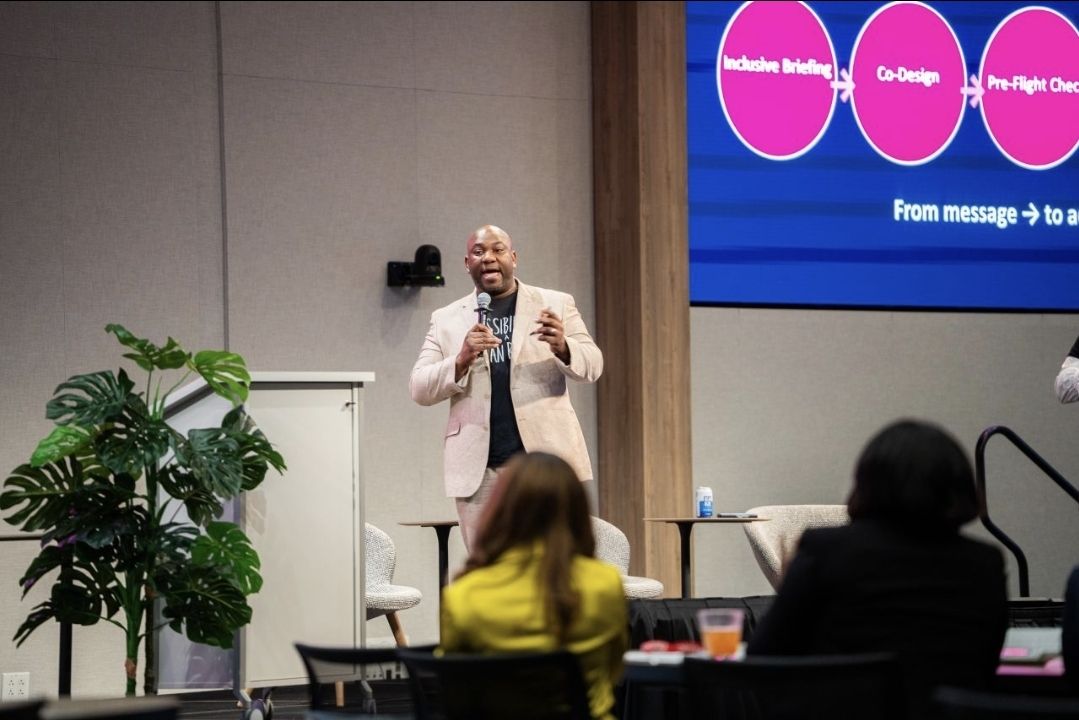
Frankie Wilson presenting accessible communication research to an audience
Presenting accessible communication work to the North Texas disability community
How I work

From observation to intervention.

01 / DEFINE

Find the actual behavior

Specify whose behavior matters, what they are trying to do, and which conditions shape the choice.

02 / DESIGN

Build with the people affected

Use behavioral theory, listening, accessible communication, and co-design to shape a testable response.

03 / LEARN

Measure and refine

Choose meaningful indicators, examine unintended effects, and improve the design as evidence develops.

Selected applied work

Questions with real stakes.

Disability inclusion

Designing disability-inclusive communication systems

This work proposes a stronger approach to communication access in workplaces and organizations. The ACI grows from this line of inquiry.

Wilson, F. C., Jr., & Wilson, F. B. (2026). Designing disability-inclusive communication systems: A behavior-change communication intervention for disabilities in the workplace. International Journal of Technology and Inclusive Education, 15(1). DOI: 10.20533/ijtie.2047.0533.2026.0272. Framework and evidence synthesis; no original trial results. The intended name is Accessibility Communications Index (ACI); “Compliance” in the published paper is a misprint.

Public engagement

City of Dallas planning communication

Helped translate a complex zoning reform process into public-facing education and engagement. The design challenge: improve understanding and invite participation amid distrust and uneven access to information.

Role: communications and behavioral strategy. Focus: public understanding, accessible information, and participation.

Behavior and faith

One Step Closer journey design

In my behavioral strategy practice, I map how people encounter content, assess safety, explore questions, and choose their next step. The work informs measurement and more responsive experiences.

Internal practice; public methods and results are shared only where approved.

Current practice

Research has to meet real life.

As a Director of Behavioral Strategy, I connect behavioral insights to how people encounter and explore faith. At Third Legacy Foundation, I work with Feleceia to advance disability-inclusive research and practice.

My broader work also includes BRIA, an emerging architecture for thinking about behavioral readiness and intervention design. These concepts are being developed; their measures and claims require validation.

Research in context

From framework to evidence.

We are interested in research that takes choice and access seriously, including participation in the Think Out, Be Light community. The goal is practical knowledge that can help institutions design with people, rather than make assumptions about them.

Explore Third Legacy
Research partnership

Bring a question we can test.

Discuss your question

Managing a program, leading a team, or developing a study? Share the behavior you want to understand, the setting, and what you’ve tried. Let’s discuss a focused question, a feasible approach, and what useful evidence would look like.

Explore Third Legacy Foundation